Stories, tips and kilometres.
Training, mythology, and the stories of those who already have their medal.
 Entrenamiento
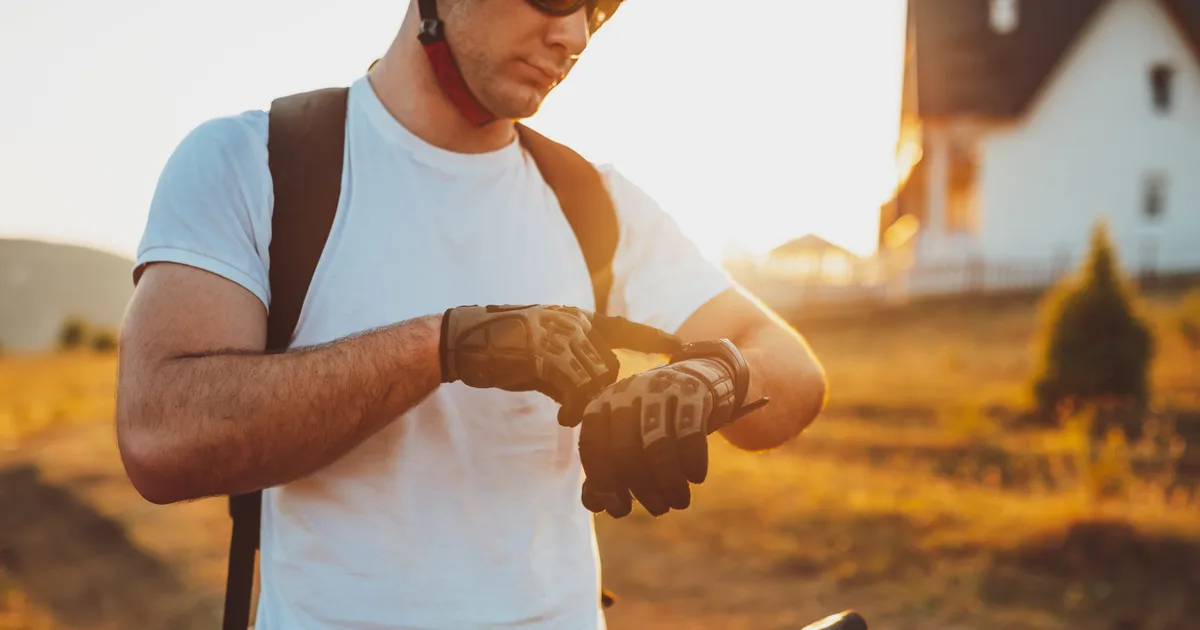
Your heart on a six-hour ride: what the Holter monitor saw
A study monitored the hearts of 34 amateur cyclists before, during and after a ride of up to six hours. What they found, why there is no need to panic and which signs do deserve a trip to the doctor.
 Vida saludable
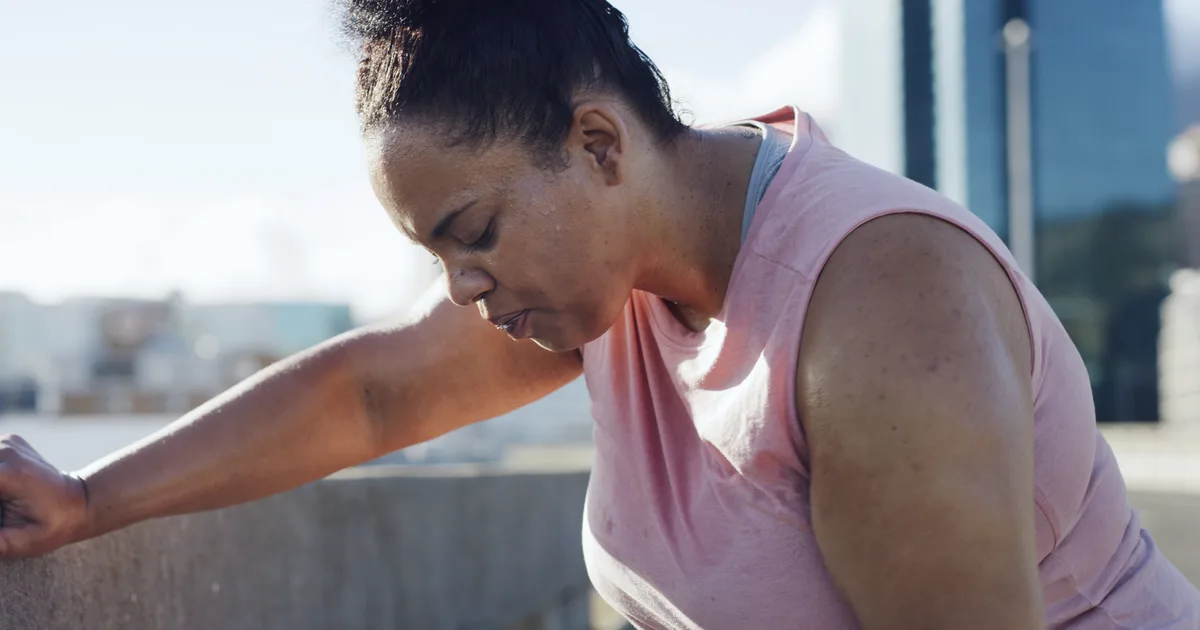
The tiredness sleep does not fix: let us talk about iron
Iron deficiency is far more common in women who train, and it is almost never checked. The difference between low ferritin and anaemia, and when a blood test makes sense.
 Entrenamiento
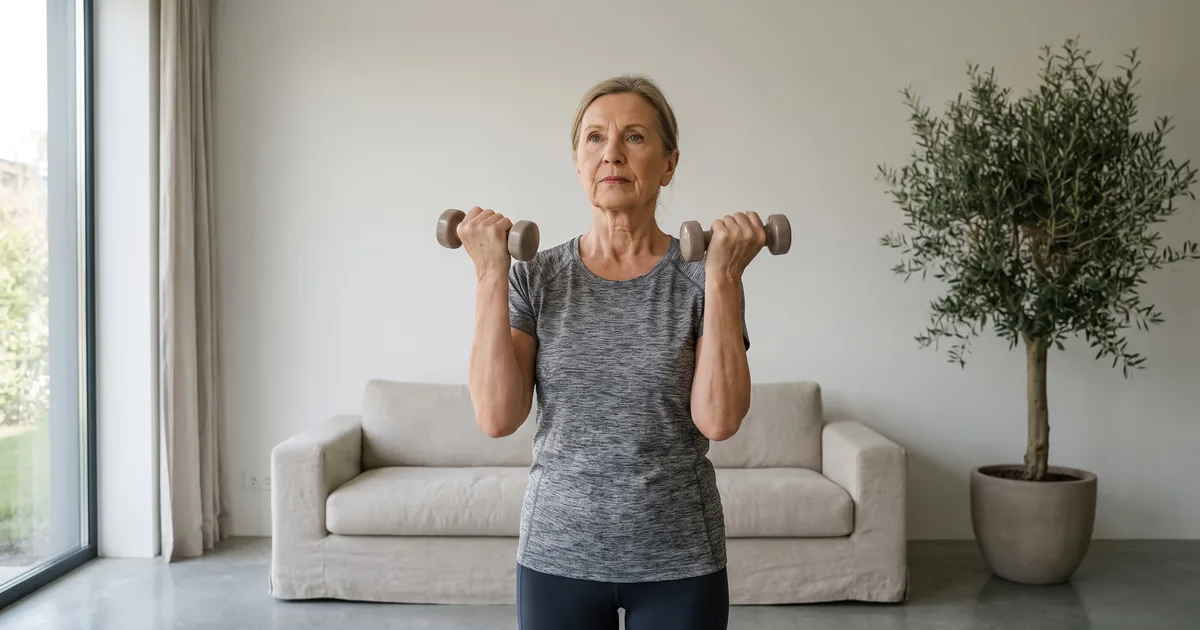
Strength after 60: two days a week is enough
A meta-analysis went looking for the minimum effective dose of strength training for older adults with sarcopenia, and it was surprisingly small. Here is the full routine, sets and reps included.
 Vida saludable
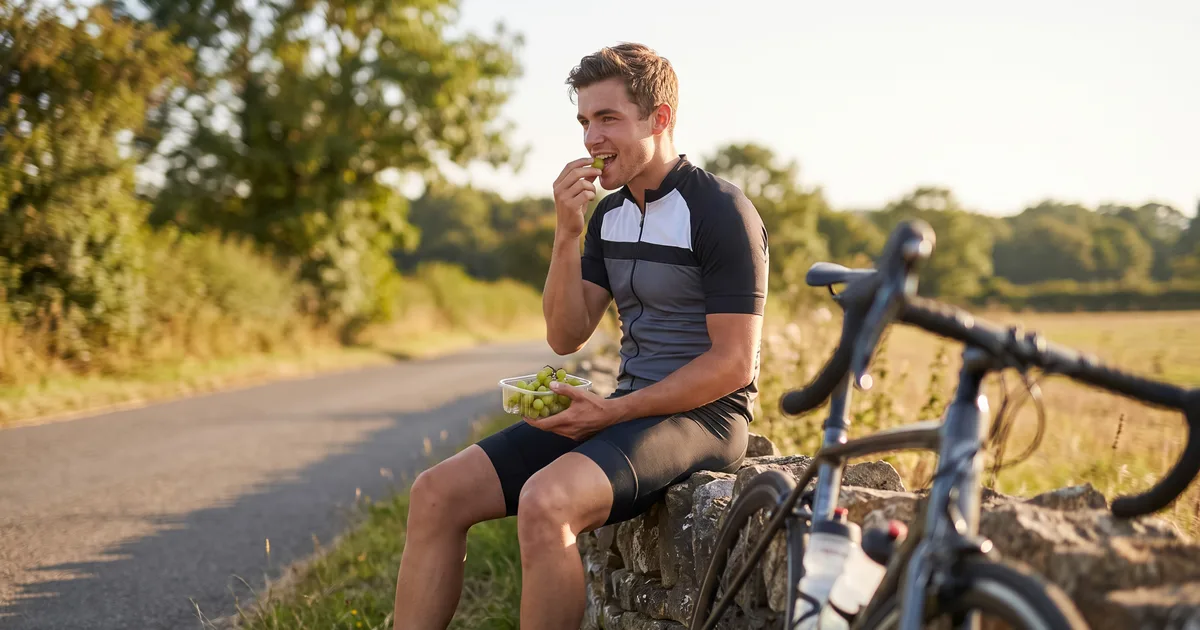
Carbs on the move: how many grams per hour you really need
A 2026 review raises the ceiling to 120 g of carbs per hour. Before you down four gels, here is what applies to amateurs and how to turn it into bananas, dates or a homemade drink.
 Superación personal
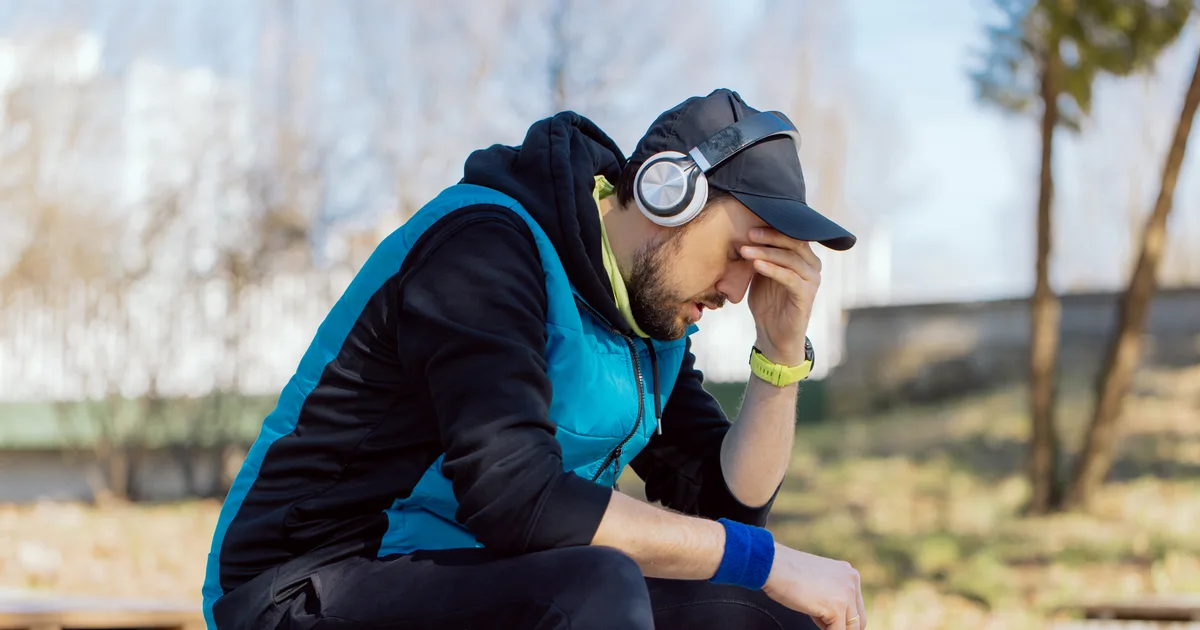
Being hard on yourself will not make you tougher (kindness will)
A study of British athletes links self-compassion with greater mental toughness, even in the eyes of their coaches. Why talking kindly to yourself after a bad session keeps you going, and how to do it without drifting into "maybe tomorrow".
 Entrenamiento
Cycling to work: the workout that does not eat into your diary
To coincide with European Mobility Week, we look at what the research says about riding to the office, what you gain and how to start safely without arriving drenched at your first meeting.
 Entrenamiento
The five components of fitness (and the one nobody trains)
A 21-expert ACSM roundtable has updated what being fit actually means: five components, not two. Here is what each one covers, how you notice in daily life that one is missing, and why the most ignored is the one you miss most as the years go by.
 Entrenamiento
Saddle sores: the taboo every woman cyclist knows
A study of 20 British competitive cyclists found that all 20 had suffered saddle sores, and that the first thing they lose is not training sessions: it is enjoyment. What causes them, when they stop being a nuisance, and what actually helps.
 Superación personal
Knowing sport is good for you will not make you consistent
A study of 2,677 students identified four motivational profiles and tested which ones sustain the habit. The result stings: understanding that exercise is good for you is not enough, and training under external pressure is not either.