
Fibre for people who train: your six-week plan to reach 30 g
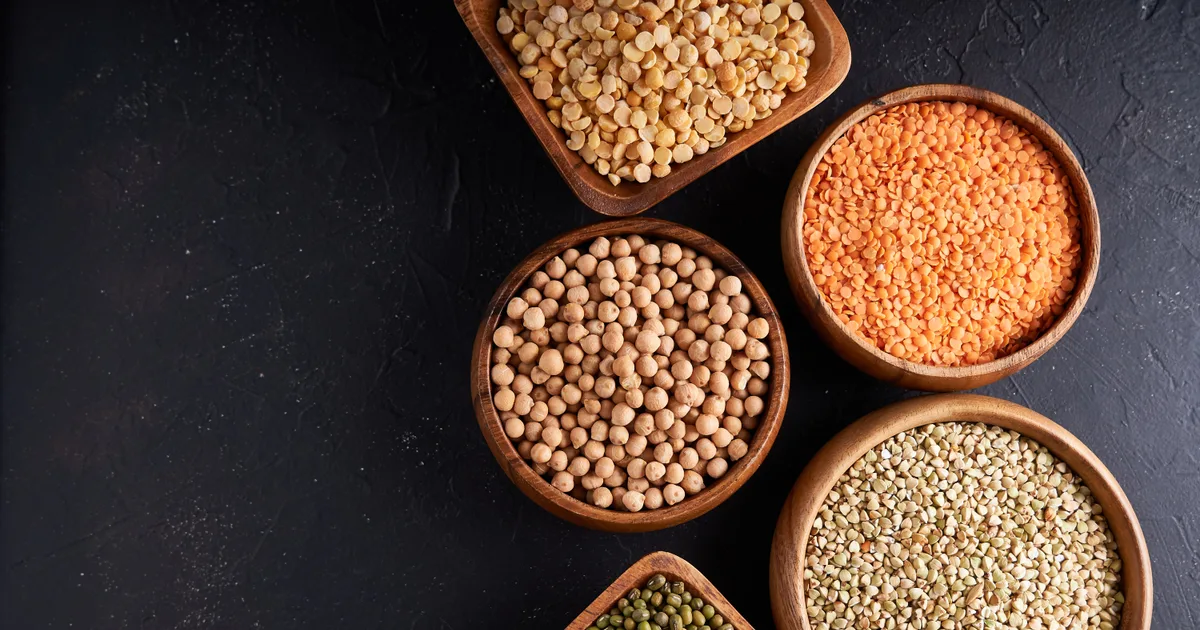
Sports nutrition guidelines barely mention fibre. A proposal published in Sports Medicine suggests going from 20 to around 30 g a day over six weeks. Here is the plan with foods and grams, and how to adjust it for long runs and race days.
You know how many carbs to take per hour, how much protein to have after the gym and even which gel disagrees with you most. And fibre? If your answer is "whatever turns up", you are in good company: sports nutrition guidelines do not pay it much attention either. A proposal published in Sports Medicine tries to put that right, and we have used it to build a six-week plan for increasing your fibre without moving into the bathroom.
The forgotten one
The 2025 article points out that guidelines set out the grams of carbohydrate per kilo of body weight but give no daily amount of fibre. What tends to appear is the warning to limit it before exercise. Meanwhile, the little data available points to low intakes: around 16 g a day in high-level footballers, 19 g in bodybuilders and 17 g in distance runners, compared with the 25 g for women and 38 g for men that the article cites for the general population. These are surveys of what people say they eat, so they should be taken with a pinch of salt.
Why should you care? Some fibre feeds your gut bacteria, which produce short-chain fatty acids associated with good intestinal barrier function. With plenty of protein and little fibre, that balance can go awry. That is why the authors propose assessing your usual intake and, if it is below 20 g, gradually raising it to around 30 g.
Before you start on the lentils, three warnings. This is an opinion article: the authors acknowledge a lack of clinical trials supporting these figures in athletes. It does not promise better performance. And one of them works at the Gatorade Sports Science Institute, part of PepsiCo, which the article declares and which you ought to know.
The plan, week by week
First, note down what you eat over three normal days, so that you know where you are starting from. The article proposes a four-week increase followed by two weeks of maintenance. The week-by-week breakdown is ours, starting from around 20 g: adjust it to your own starting point.
Six weeks to around 30 g
- Week 1, around 23 g: add a banana or a piece of fruit to your day.
- Week 2, around 25 g: swap white bread for wholemeal.
- Week 3, around 28 g: switch to oats for breakfast instead of refined cereal.
- Week 4, around 30 g: add pulses several times a week and a handful of almonds on the other days.
- Weeks 5 and 6: hold that amount and see how it feels when you train.
Adaptation varies a great deal from person to person: according to the article, it can take from three days to two weeks. If you feel bloated, stay on the same step for another week, as this is not a race. And drink more, because fluid helps fibre move along without hold-ups, especially if you sweat a lot.
How much fibre is in what you already eat
The article divides the target into about 7 g per main meal and about 3 g per snack. These are approximate figures, calculated from the US Department of Agriculture's FoodData Central database. The portion sizes are our own.
Grams of fibre per portion
- 150 g of cooked lentils: about 12 g.
- 150 g of cooked chickpeas: about 11 g.
- 200 g of cooked wholewheat pasta: about 9 g.
- 200 g of cooked broccoli: about 6.5 g.
- A medium pear (180 g): about 5.5 g.
- 50 g of uncooked oats: about 5 g.
- 30 g of almonds: almost 4 g.
- Two slices of wholemeal bread (60 g): about 3.5 g.
- A medium banana (120 g): about 3 g.
With that list, a 30 g day might look like this: oats with banana for breakfast (8 g), almonds mid-morning (almost 4 g), a plate of lentils at lunch (12 g) and broccoli at dinner (6.5 g). Pulses are the best value on the list, and if you cook them in advance with a one-afternoon batch cooking plan, you will have no excuses by Tuesday. The article also suggests about 2 g of beta-glucan a day, which comes mainly from oats and barley. As the amount varies from product to product, it is enough to have them on your menu often: nobody is going to ask you to put your breakfast on the scales.
Long runs and race days
More fibre per day does not mean more fibre at any time of day. The sensible approach is to keep very high-fibre foods away from training: put the bulk of it in the meals that do not come just before you head out, and choose easily digested options before and during long or intense sessions. A plate of lentils two hours before intervals is a very effective way of getting to know every toilet on your route.
For long races, many athletes reduce their fibre between 48 and 72 hours beforehand, along with carbohydrate loading. This rests more on practical experience than on trials, and the article itself admits that not everyone needs it. If the idea appeals, try it before a long training session, and never for the first time in the week of your target race.
One important caveat: it does not suit everyone equally. If you have irritable bowel syndrome or another digestive problem, or the increase disagrees with you even when you go slowly, speak to a registered dietitian before carrying on.
Turn those kilometres
into a medal.
Sign up for a Victoris challenge and every training session brings you closer to the medal delivered to your door.
More from the Victoris Diary
 Vida saludable
Back from a cold: when and how to start training again
A study of 114 confirmed respiratory infections in athletes puts dates on the comeback: a few days to train again, a week for full training and almost two to get back to your best. Here is how to do it step by step.
 Vida saludable
Vitamin D in winter: what the sun on your runs already gives you
A trial in runners and non-runners tracked their vitamin D from October to March. The supplement raised levels but not performance, and training outdoors proved a good buffer until December.
 Vida saludable
Walking after meals: an 8-week plan for your blood sugar
A recent meta-analysis confirms that regular walking lowers HbA1c in type 2 diabetes, especially with a clear step target. For World Diabetes Day, we suggest an eight-week plan.