
Helmet, lights and 1.5 metres: your bike and October’s new rules
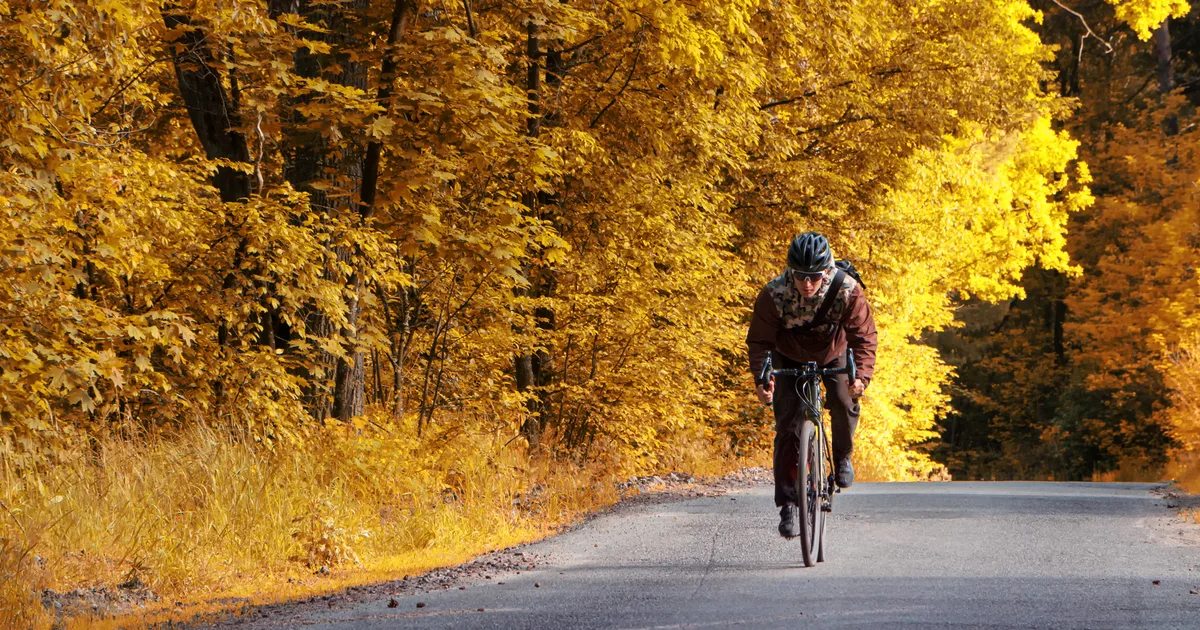
Spain’s reformed road traffic regulations come into force on 1 October: helmets for every cyclist outside towns, new rules in the city and a checklist for your first autumn ride.
October arrives with leaves in the verge, shorter evenings and, this year, a bit of homework: on 1 October the reform of Spain’s General Traffic Regulations approved by the Interior Ministry in June comes into force. If you ride a bike, it affects you directly. The good news is that almost everything that changes works in your favour, and your part fits into a five-minute checklist before you head out.
No more helmet exemptions on open roads
Helmets were already compulsory on interurban roads, but with small print: there were situations in which you could take yours off, such as long climbs or intense heat. That small print is gone. According to the DGT press release on the reform, the exemptions are removed and every cyclist must wear one on interurban roads. Full stop.
In real life, that means the trick of hanging it from the handlebars on the climb because “I’m only doing 9 km/h anyway” is over. And let’s be honest, you never considered taking it off on the descent of that same climb. In towns the rule does not change for adults, although if you commute through busy streets, wearing one is still a very good idea.
What changes for the drivers overtaking you
This is the part you will appreciate most from the saddle. On interurban roads, a driver overtaking a cyclist must slow to at least 20 km/h below the road’s speed limit and leave 1.5 metres of lateral clearance. And where there are several lanes in the same direction, they must move fully into the next lane: no squeezing past on the line.
Having it in writing does not guarantee that everyone will comply, of course. But it gives you something very useful: a clear benchmark for what a proper overtake looks like, for you when you are behind the wheel and for whoever passes you when you are on the bike.
In town: the centre of the lane is yours
This is probably the most eye-catching change. On urban roads, cyclists will preferably ride in the centre of the lane, and motor vehicles must keep at least 5 metres behind a bike ahead of them in that lane. The logic is simple: hugging the kerb invites impossible overtakes and puts you in the path of opening car doors; in the centre, you are seen and nobody tries to squeeze into a gap that does not exist.
If you have already started cycling to work, this changes your commute: taking the lane stops being a matter of courage and becomes what the rules say. On top of that, in streets limited to 30 km/h, local councils will be able to allow bikes to ride in both directions, with the appropriate signage.
Lights and reflectives: already compulsory (and autumn shows why)
This is not new, but with the clocks about to change it is worth a refresher. According to the DGT’s guide to cycling, whenever lights are compulsory — at night, in tunnels or in poor visibility — your bike must carry a white front position light, a red rear position light and a red, non-triangular rear reflector. And if you ride on interurban roads in those conditions, you must wear a reflective garment that makes you visible from 150 metres.
The trouble with autumn is that a ride that starts in full sunshine ends, almost without noticing, in that grey half-light in which a cyclist without lights is a ghost. If you are getting ready for your autumn sportive, work out what time you will be heading home on your long rides.
Checklist before your first October ride
- Helmet on and properly adjusted, climbs included: there are no exemptions on open roads any more.
- White light at the front and red at the back, both charged. If the ride might run long, fit them even if you set off in daylight.
- Red rear reflector in place (triangular ones do not count).
- A reflective vest or garment in your jersey pocket for the ride home in poor light on interurban roads.
- In town, ride in the centre of the lane: it is what the rules say and it makes you more visible.
- Check your brakes and tyres: the first rains and wet leaves are unforgiving.
Riding with more peace of mind as the evenings draw in
Read calmly, the reform does not ask much more of you than a sensible cyclist was already doing; what it does is put it in writing for everyone, including those who share the road with you. Make the most of it: set off earlier on short days, choose routes with a good hard shoulder for rides home in poor light and do not wait until dark to switch your lights on.
And if you fancy giving your autumn kilometres a goal, at Victoris the ones you pedal count too: the Hermes Challenge sets you 300 km, a figure that on a bike adds up ride after ride almost without you noticing. With a helmet, lights and that metre and a half to spare.

You already have your challenge.
All that's left is to start it.
Join this challenge and every workout gets you closer to your medal.
More from the Victoris Diary
 Entrenamiento
Carbon-plate running shoes: are they really worth it?
A trial with 30 recreational runners found they improve running economy without worsening biomechanics. Here is what that means and, above all, what it does not.
 Entrenamiento
Your heart on a six-hour ride: what the Holter monitor saw
A study monitored the hearts of 34 amateur cyclists before, during and after a ride of up to six hours. What they found, why there is no need to panic and which signs do deserve a trip to the doctor.
 Entrenamiento
Strength after 60: two days a week is enough
A meta-analysis went looking for the minimum effective dose of strength training for older adults with sarcopenia, and it was surprisingly small. Here is the full routine, sets and reps included.