
The five components of fitness (and the one nobody trains)

A 21-expert ACSM roundtable has updated what being fit actually means: five components, not two. Here is what each one covers, how you notice in daily life that one is missing, and why the most ignored is the one you miss most as the years go by.
If someone asks whether you are fit, chances are you think about how long you can run or how much you can press. The American College of Sports Medicine has just published a consensus statement that says, very politely, that this is looking at two pieces of a five-piece puzzle. And that the piece almost nobody trains is precisely the one you notice most when it fails.
A 21-expert consensus to tidy things up
The statement appeared in August 2026 in Medicine & Science in Sports & Exercise, the ACSM journal, and it is not one author fancying a headline: it is signed by a panel of 21 experts from 20 institutions across three countries, coordinated by Professor Deb Riebe. Their brief was to update something that sounds bureaucratic and is anything but: what we mean by being fit.
It matters because everything else hangs off that definition. The tests you get at a check-up, the programmes people sell you, the apps that measure you and, above all, your own idea of what you are missing. If the definition only covers your pulse and your weight, you will end up training your pulse and your weight.
The five components, one by one
Cardiorespiratory fitness. Good old endurance: your heart, lungs and muscles sustaining a prolonged effort. It is the one almost everybody trains, the one we are best at measuring and the one that hogs the limelight.
Second, muscular fitness, which the statement splits into three things we usually lump together: strength (how much you can move), muscular endurance (how many times you can move it) and power (how fast). They are not interchangeable, and power is the first to go with age. If you were wondering whether iron deserves a slot in your week, we already told you that lifting weights adds years to your life, and this framework puts it back in the middle of the picture.
Third, body composition: the split between fat mass and fat-free mass. Careful with this one, because it lends itself to silly obsessions. It is not a number on the scales, it is a proportion.
Fourth, flexibility: the range of motion of your joints. The component everyone has been meaning to work on "starting Monday" for roughly a decade.
And fifth, the big change in the document: neuromotor fitness, which groups together agility, balance and gait speed.
The new bit: everything neuromotor, together and named
Until now, agility, balance and gait speed were scattered about as "performance-related components", a sort of catch-all for athletes. The statement pulls them into a single neuromotor component and puts it on the same footing as endurance or strength. It stops being an athlete-only extra and becomes part of the definition of fitness, for anyone.
And here is our own reading, which is no longer the ACSM talking: it is the component that ages worst and the one you notice most in daily life. You never think about your balance until you misjudge a kerb. You never think about your walking speed until the lights change halfway across the crossing. And neither of those improves by clocking up more kilometres.
An honest self-check: which one are you missing?
- Cardiorespiratory: can you climb two flights of stairs talking, or do you arrive counting syllables?
- Strength: can you get up off the floor without using your hands?
- Power: do you hop off the bus, or look for the step?
- Body composition: are the clothes you wore two years ago a useful reference, or have you quietly removed them from the wardrobe?
- Flexibility: do you tie your laces standing up, or do you need a chair?
- Neuromotor: can you hold 20 seconds on one leg with your eyes closed?
The good news: this is not five separate workouts
If you have got this far thinking you now need to squeeze five weekly sessions into a diary that is already bursting, breathe. The statement itself stresses that the components are interconnected and that one type of training can improve several at once, and it argues for an individualised approach: not everyone needs the same thing in the same dose.
In practice, a well-designed strength session covers muscular fitness, nudges body composition and, if you include single-leg movements, trains your balance too. A run over uneven ground is cardiorespiratory and neuromotor at the same time. And a few minutes of mobility at the end costs little and plugs the flexibility gap.
Where to start this week
Pick the component where you answered worst on the list above and give it one concrete task for the next four weeks. One. If it is balance, brush your teeth on one leg and swap legs when you rinse: that is two minutes a day you had already spoken for. If it is strength, two short sessions beat a perfect programme you will never do.
The merit of this consensus is not that it discovers anything new, but that it puts something uncomfortable in writing: you can be very fit in two boxes and fairly weak in the other three, and calling that "being fit" was, at best, generous.
Turn those kilometres
into a medal.
Sign up for a Victoris challenge and every training session brings you closer to the medal delivered to your door.
More from the Victoris Diary
 Entrenamiento
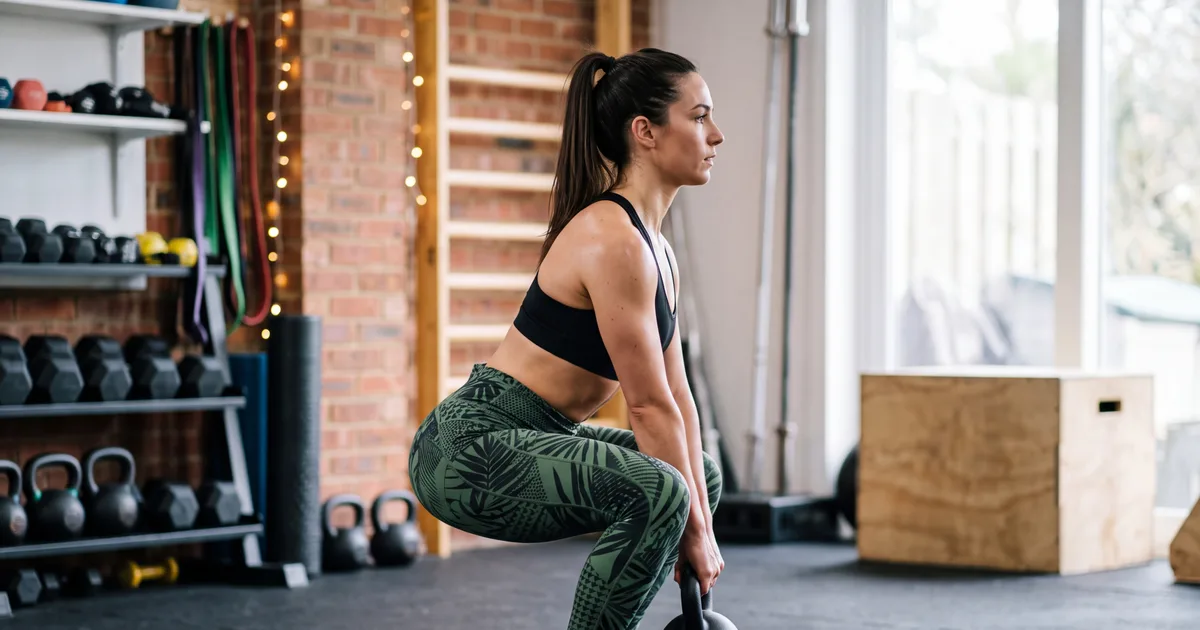
You run and lift weights: do they get in each other's way?
If you run or cycle and also lift weights, you may have been told that one steals from the other. A review of 17 meta-analyses puts that in perspective and helps you organise your week.
 Entrenamiento
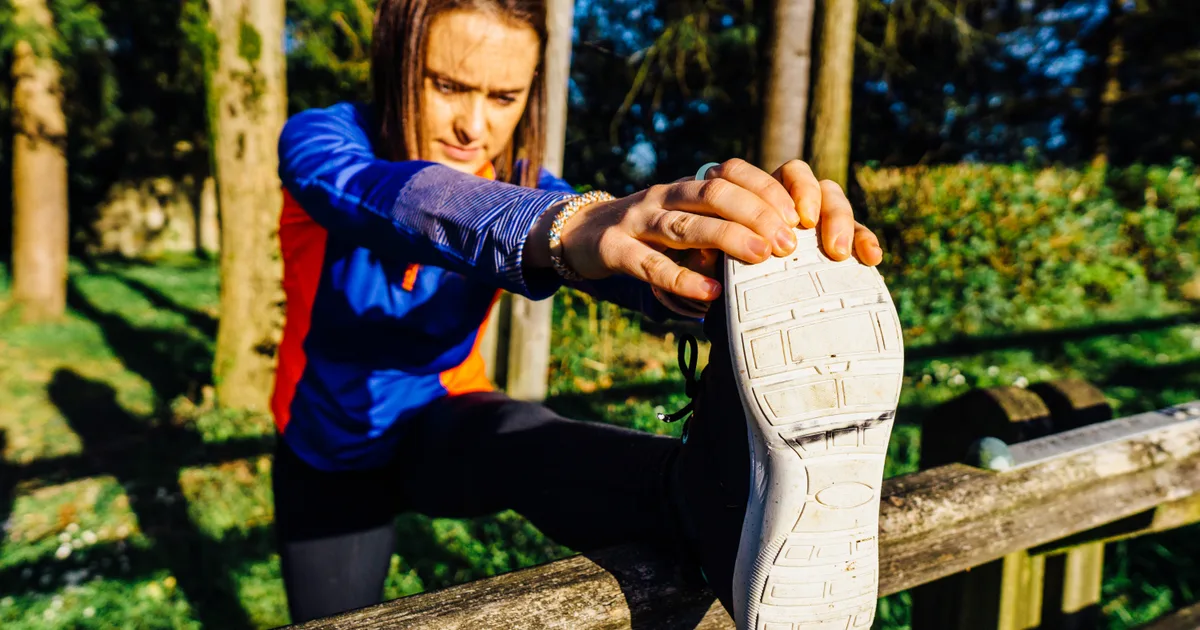
Stretch for what it is good for: 20 experts’ guide, in minutes
A consensus of 20 researchers sets out what stretching is good for and at what dose: great for mobility, not much for preventing injury or recovering. We turn it into three routines with their minutes.
 Entrenamiento
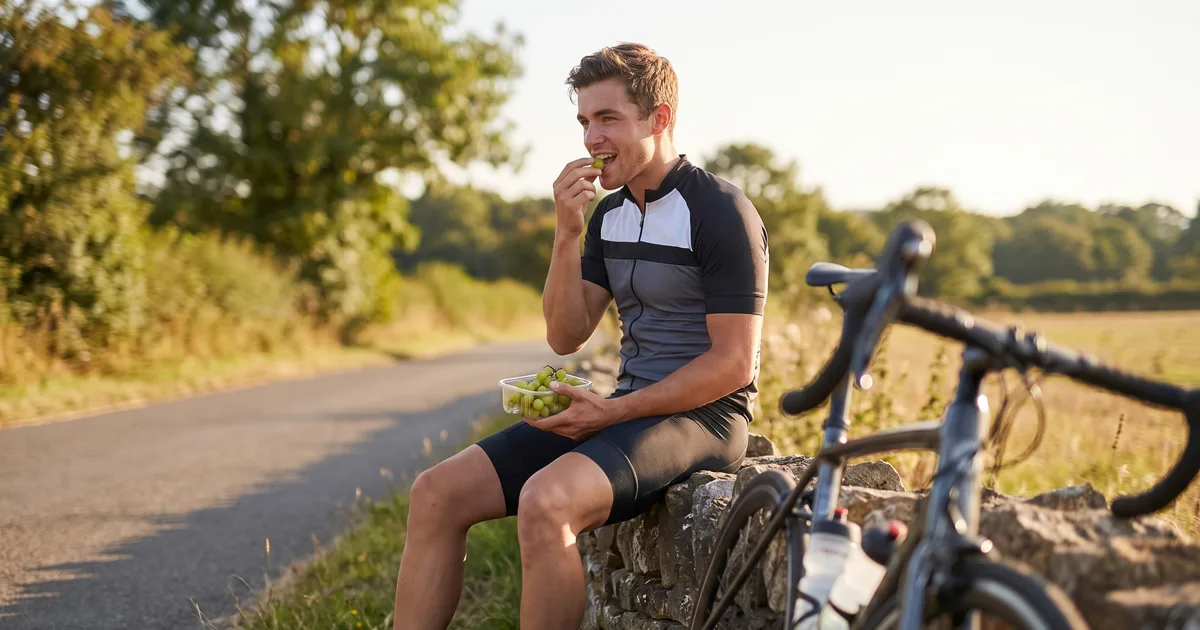
What the UCI wants you to eat when you are off the bike
The Union Cycliste Internationale has published its position statement on nutrition. Beyond what is in your jersey pockets: eating enough, looking after your bones and which supplements are genuinely backed by evidence.