
The post-training pint, without the lecture
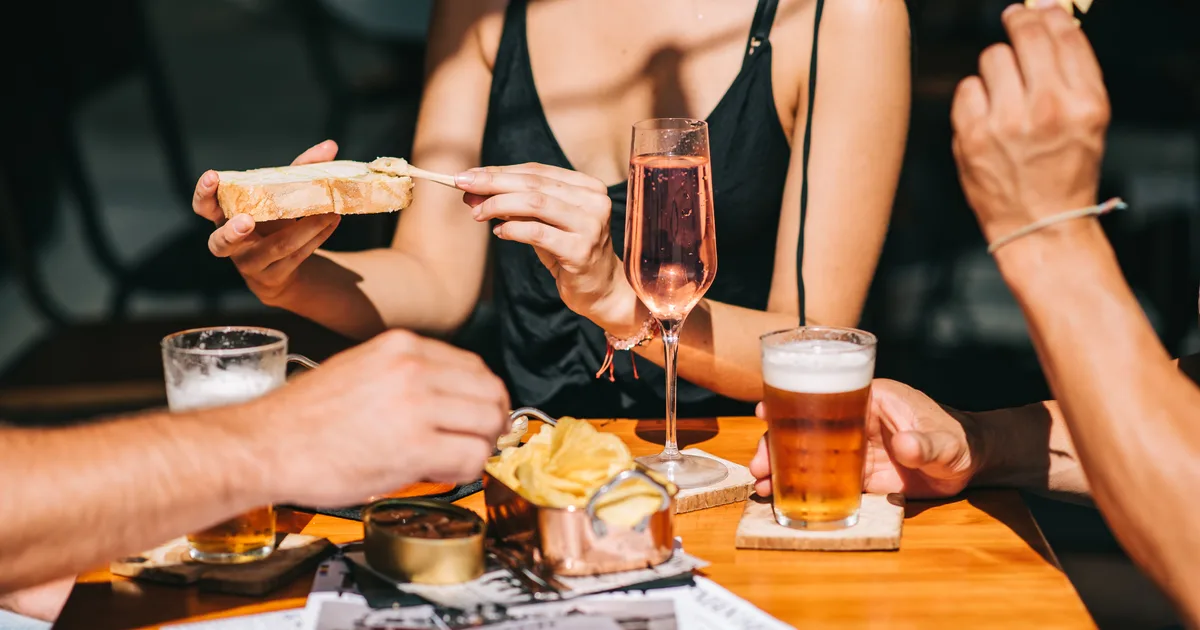
It is August, there is a terrace and there is thirst. This is not a telling-off: it is what the Spanish Ministry of Health says that post-training pint costs your recovery.
You finish the session, it is August, and forty metres away there is a terrace with a cane blind, a fan turning overhead and a frosted glass waiting. The scene is so Spanish you can almost hear it. Before anyone slips into sermon mode: this is not about guilt. It is about knowing what you are paying, so the decision is yours rather than the evening's.
What the Ministry of Health says, in its own words
Spain's Ministry of Health has a page devoted to alcohol and sport within its healthy-lifestyles portal, and it is refreshingly direct. Its recommendation, verbatim: avoid alcohol for 48 hours before exercising and immediately afterwards. Yes, 48 hours. The first time you read it you assume it is a typo.
It is not an arbitrary figure: it comes from adding up everything alcohol does to a body that is about to perform, or has just finished performing. And the list is longer than most of us assume.
Four things happening while you drink it
The first is the best known: alcohol is a psychoactive substance that slows the nervous system down. The ministry spells that out as concentration, coordination, reaction time and psychomotor skills. If your sport involves a bike, traffic, an incoming ball or anything requiring a quick reaction, that alone is reason enough.
The second goes straight to what you care about after training: it hampers muscle recovery and increases the likelihood of injury. In other words, the rebuilding window you were chasing when you did the session works worse. You pay the effort and collect less adaptation.
The third is textbook and very much a summer problem: alcohol is a powerful diuretic. It encourages dehydration and electrolyte imbalance, with the attendant risk of cramp, muscle knots and strains, on top of leaving you with less energy. If you went out at seven in the evening in 33-degree heat, you arrive at the terrace already in deficit; the pint does not top that up, it deepens it.
The fourth is a double blow. On one hand it inhibits the absorption of protein, vitamins and minerals, precisely when your body is most interested in absorbing them. On the other, it delivers plenty of calories that, in the page's own words, do not become usable energy for recovery: they are empty calories that end up as fat.
Fine, so what do I do in August?
This is where an honest guide parts company with a pamphlet. Nobody is going to stop seeing their friends because a ministry published a web page, and nor should they. What you can do is put things in the right order so the pint costs you as little as possible.
If you are going to the terrace anyway
- Rehydrate properly first, with water and a little salt, before the first drink. Not after.
- Eat something with protein and carbohydrate before you sit down: recovery is in a hurry, the pint is not.
- Check the calendar: if the key session of the week is less than 48 hours away, that is the night to genuinely go easy.
- Alternate with water. It sounds like your mother's advice because it works like your mother's advice.
- If tomorrow means a bike, open roads or traffic, coordination is not up for negotiation.
No drama, no guilt
It is worth saying plainly: one pint on a Saturday in August will not wreck your season. What wrecks seasons is the invisible habit, the one that is never actually decided because it repeats itself three times a week. And the antidote is not heroic willpower, it is looking at the concrete cost once and then choosing with that information in front of you.
It is the same logic we used when writing about what cardiology says about training sensibly: no alarmism, just knowing what is under the bonnet before you press the accelerator. Looking after yourself is not about giving up everything; it is about not giving up what genuinely matters to you for things you never even chose.
So go to the terrace. But arrive hydrated, eat a decent dinner, and do not let the pint afterwards decide how Tuesday's session is going to go. That, in the end, is the whole of the advice.
Turn those kilometres
into a medal.
Sign up for a Victoris challenge and every training session brings you closer to the medal delivered to your door.
More from the Victoris Diary
 Vida saludable
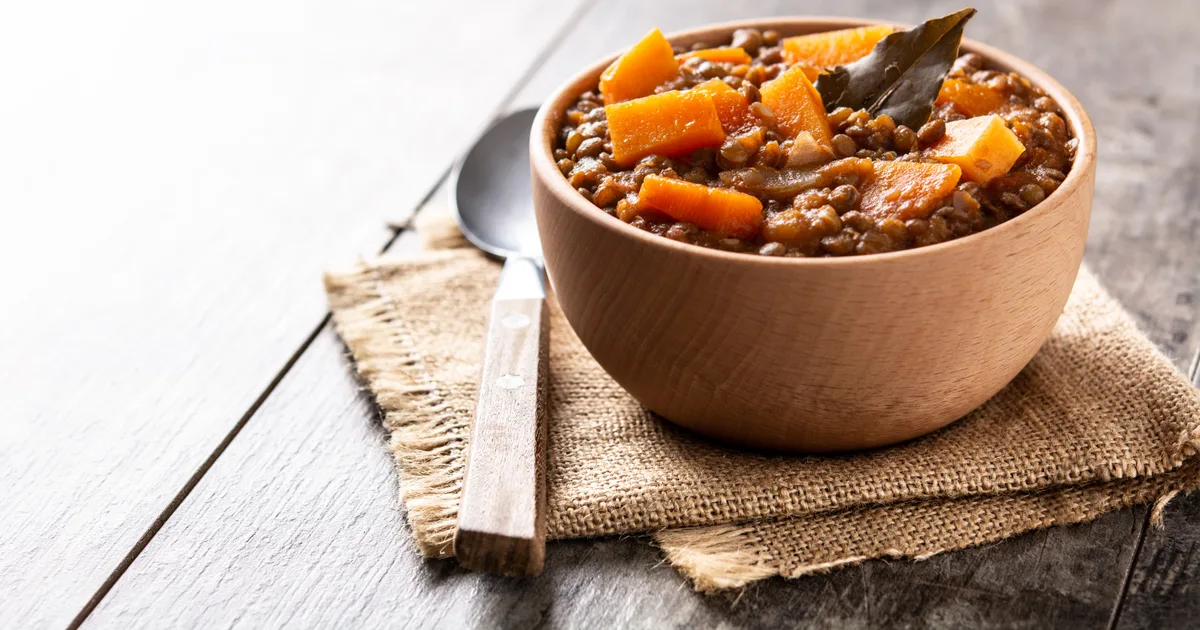
Four portions of pulses a week (without getting bored)
Spain’s food safety agency recommends at least four portions of pulses a week. Three autumn recipes with quantities, tips against wind and how to fit them around training.
 Vida saludable
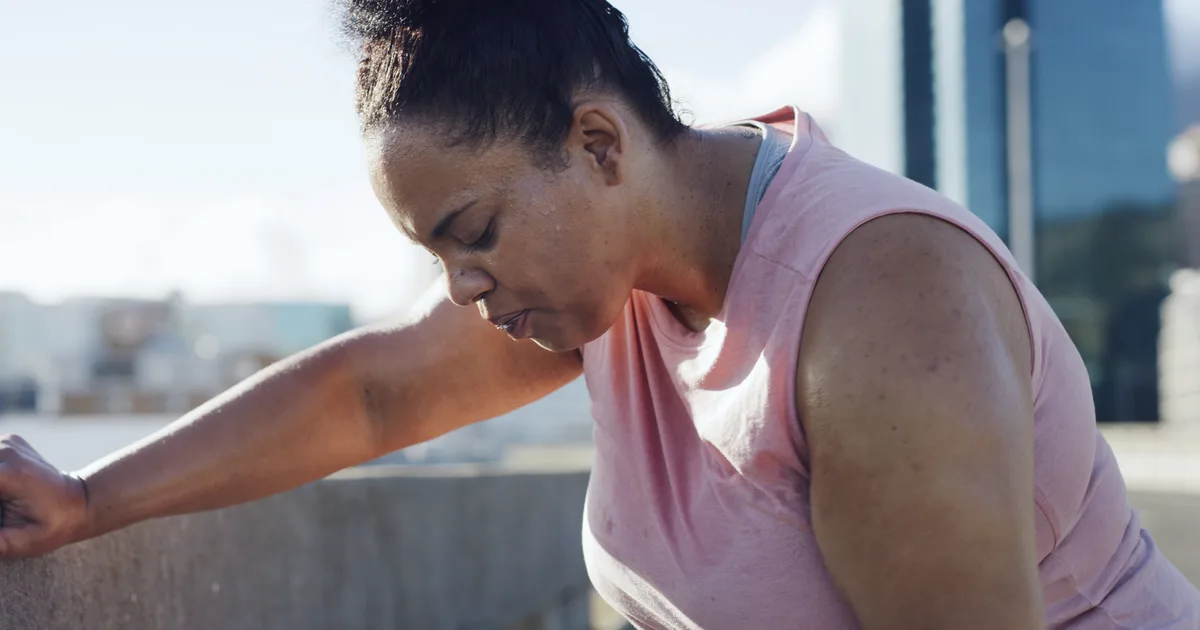
The tiredness sleep does not fix: let us talk about iron
Iron deficiency is far more common in women who train, and it is almost never checked. The difference between low ferritin and anaemia, and when a blood test makes sense.
 Vida saludable
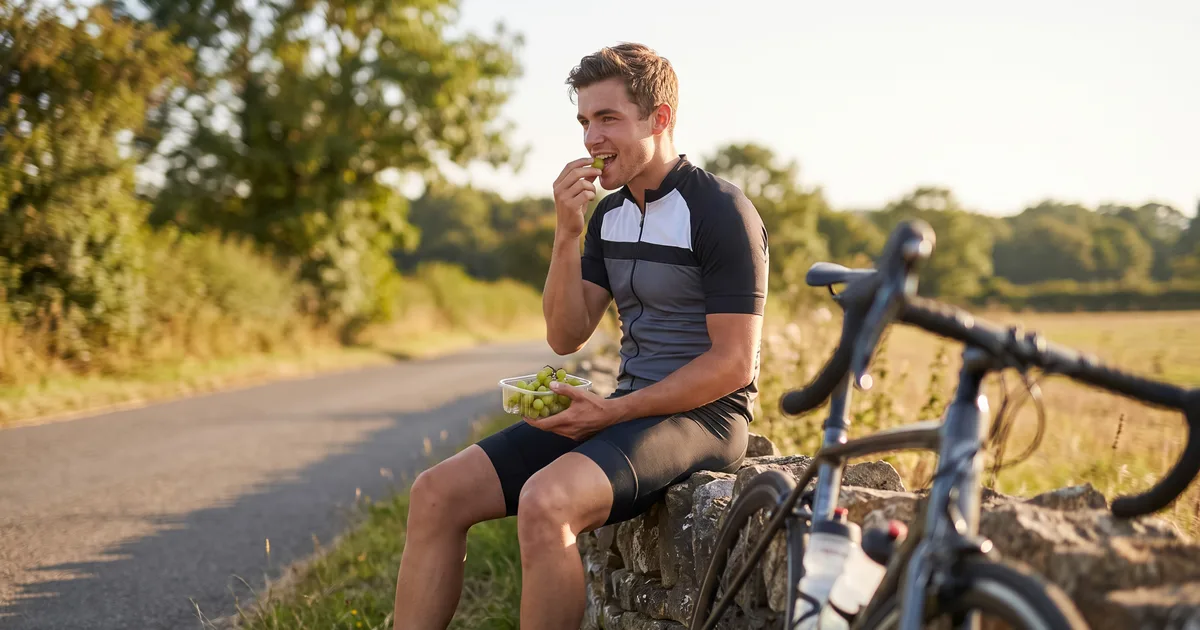
Carbs on the move: how many grams per hour you really need
A 2026 review raises the ceiling to 120 g of carbs per hour. Before you down four gels, here is what applies to amateurs and how to turn it into bananas, dates or a homemade drink.