
The tiredness sleep does not fix: let us talk about iron
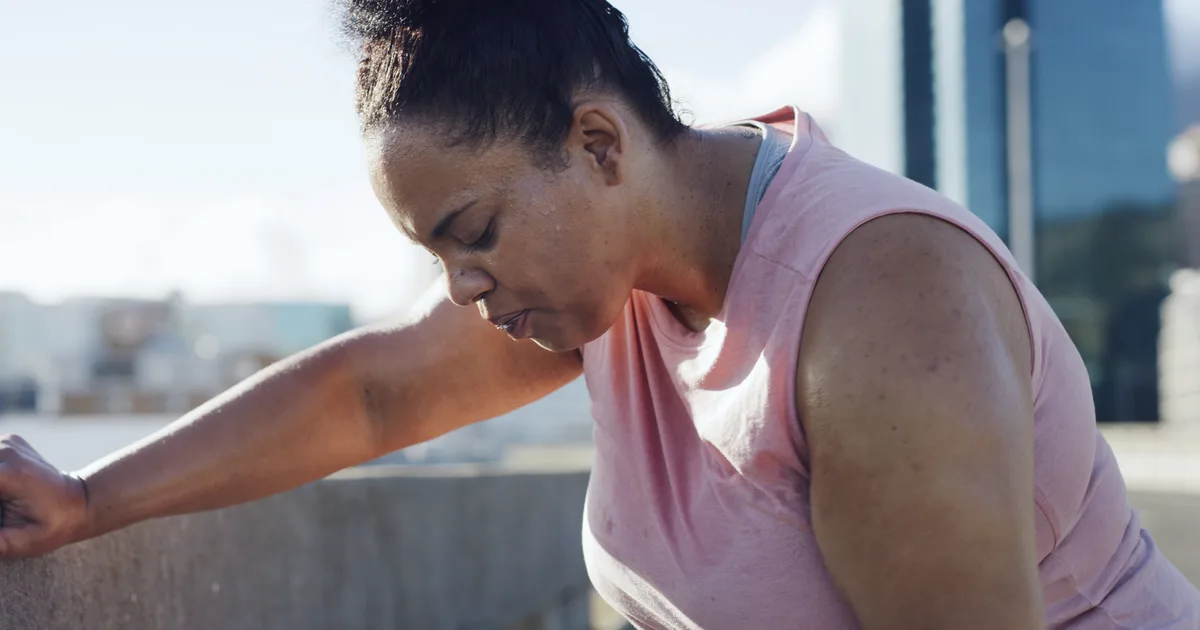
Iron deficiency is far more common in women who train, and it is almost never checked. The difference between low ferritin and anaemia, and when a blood test makes sense.
There is a kind of tiredness that sleep does not fix. You train the same as always, you eat much the same, you get your hours in, and yet the hills have somehow become hillier. Before blaming stress, work or your age, there is one number that is almost never checked in women who train: iron.
Low ferritin is not the same as anaemia
Two things get muddled daily, so let us separate them. Haemoglobin is the iron already at work, the iron carrying oxygen around your blood. Ferritin is the pantry: the iron you have stored for when it is needed. You can have an almost empty pantry and haemoglobin still within range; that is iron deficiency without anaemia, and it is precisely the scenario that slips by unnoticed.
That is why a "normal" blood test may not be entirely normal for someone who trains. If the panel only includes a full blood count and nobody asked for ferritin, the problem simply does not show up. The lab is not wrong: it was never asked the right question.
What the meta-analysis looked at
A systematic review with meta-analysis published in Sports Medicine has pooled the intervention trials on iron status in physically active women of reproductive age, both those using supplements and those working through diet. Oral ferrous sulphate significantly raised haemoglobin, by 0.42 g/dl on average, and ferritin, by 12.61 ng/ml. The authors conclude that both oral supplementation and interventions with iron-rich foods probably improve iron status.
Note that "probably". It is the authors' way of saying the evidence points that way, but with reservations: the trials are few, the samples small and the populations different from one another. That caveat is not dull technical detail; it is exactly what separates a sensible recommendation from an advert.
Why women who train run closer to the line
Several things stack up here: menstrual losses, an intake that often falls short, especially if red meat has been cut back without being properly replaced, and training itself, which adds its share. You do not have to be an elite athlete to end up in that group: a run of heavy training weeks and a diet you have never reviewed will do it.
When asking for a blood test makes sense
- You have spent weeks tired in a way that rest does not shift.
- Your usual pace feels harder and you cannot explain why.
- You have heavy periods or have changed contraceptive method.
- You follow a vegetarian or vegan diet you have never properly planned.
- You have ramped up training load suddenly and are not recovering.
- Ask specifically for ferritin, not just a full blood count.
Supplementing without a deficiency will not make you faster. It will only make you poorer.
The Victoris team
Eating iron: what helps and what gets in the way
Iron from animal sources, so-called haem iron, is absorbed better than the plant kind. But plant iron has a trick to it: pair it with vitamin C, a squeeze of lemon over the lentils or a kiwi for pudding, and absorption improves. Pulses also do double duty, because they count towards how much protein you need if you train, the other nutrient that tends to fall short in improvised diets.
And what gets in the way: coffee and tea taken right alongside a meal are no great allies of a plate of lentils whose iron you were hoping to make use of. You do not have to give them up, and you already know what we think of coffee before training; just put a little distance between them and your main meals while you are trying to rebuild ferritin.
What we are not going to tell you
We are not going to tell you how many milligrams to take or which brand to buy. First, because we are not your doctor. And second, because iron is not a harmless vitamin whose surplus leaves in your urine: the excess accumulates, and supplementing without a deficiency improves nobody's performance. The correct order is boring and it works: a blood test including ferritin, interpretation by a professional and, if needed, treatment with follow-up.
In the meantime, here is what is in your hands: check whether your plate carries real iron sources across the week, do not force the machine on days when your body is asking for a truce and, above all, do not normalise tiredness that has lasted months. "I'm just a tired person" is a dreadful diagnosis.
Turn those kilometres
into a medal.
Sign up for a Victoris challenge and every training session brings you closer to the medal delivered to your door.
More from the Victoris Diary
 Vida saludable
Carbs on the move: how many grams per hour you really need
A 2026 review raises the ceiling to 120 g of carbs per hour. Before you down four gels, here is what applies to amateurs and how to turn it into bananas, dates or a homemade drink.
 Vida saludable
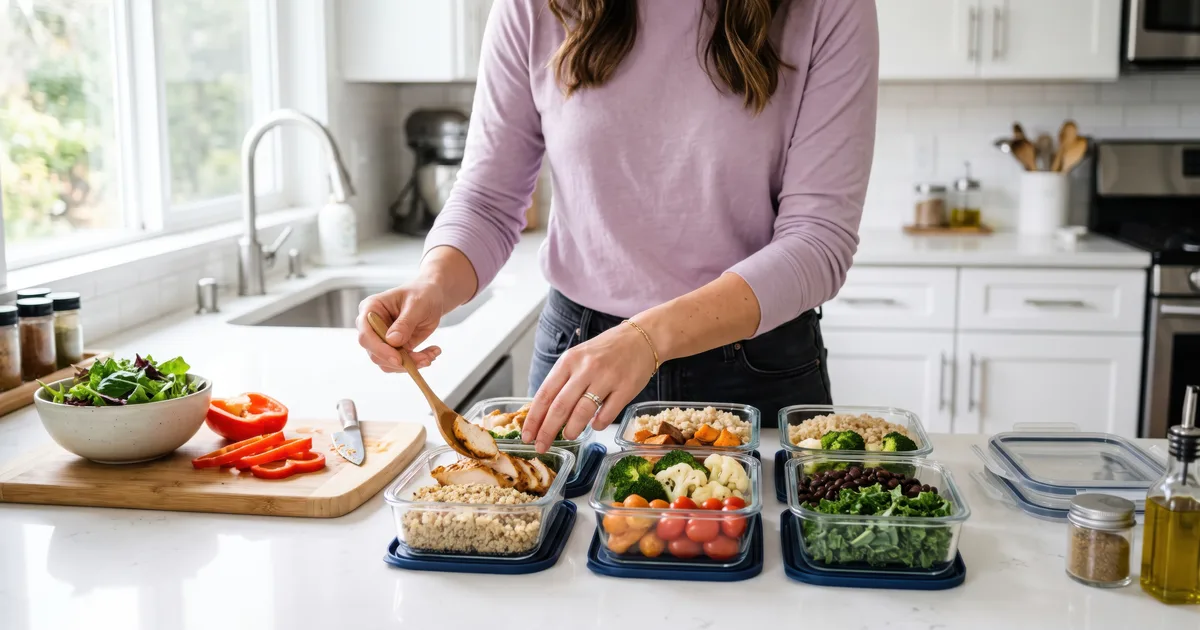
Batch cooking for people who train: the one-afternoon plan
One Sunday afternoon, real quantities and the Harvard storage times so Thursday is not a gamble. A batch cooking plan built for weeks with training in them, with a shopping list and the exact order to cook things in.
 Vida saludable
The WHO 150 minutes are not the target: they are the floor
The WHO estimates that 1.8 billion adults fall short of the minimum for physical activity. We unpack the full recommendation, the one hardly anyone reads, and spread it across a real September week with work, kids and no time.