
Does an app actually get you moving? Yes, a bit
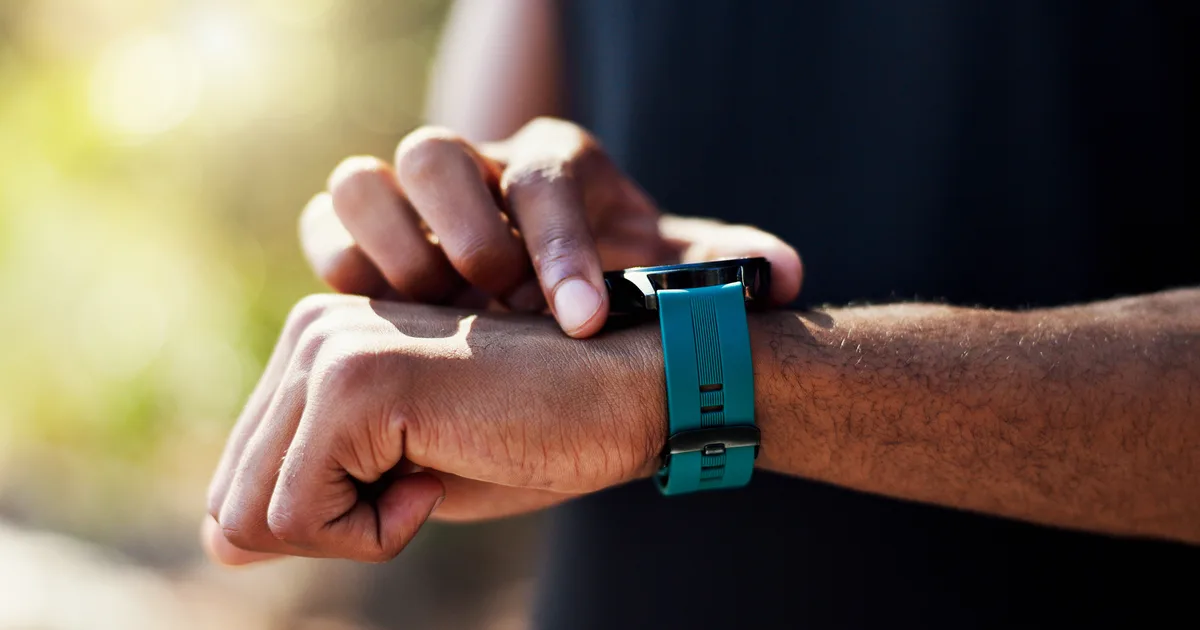
A meta-analysis of 18 trials says apps working on their own really do increase physical activity. It also says the effect is small and the certainty low. We are telling you, and we build one.
Writing this from a company that builds exactly this kind of challenge app is not without irony. But if we are going to ask you to trust what we publish, the least we can do is also show you the studies that leave us looking merely average. And this meta-analysis leaves us precisely there: we work, just less than we would like to put on a poster.
The result, unretouched
The review pools 18 randomised trials on standalone digital behaviour change interventions: the app and you, with no coach behind it, no follow-up calls, nobody messaging on Monday to ask how the weekend went.
The verdict: they improve physical activity, with an effect size of 0.324, and they improve body measures, at 0.269. On the scale normally used, 0.2 counts as a small effect and 0.5 as a medium one. So we are talking about something real and something modest at the same time. It is not nothing; it is not a transformation either.
And the certainty is low, which is worse
Here comes the part we would rather not tell you. The authors downgraded the certainty of the evidence to "low" for physical activity because of publication bias and risk of bias in the studies. Publication bias means, roughly, that trials where the app did nothing are less likely to have been published. Nobody writes an enthusiastic paper about the intervention that went nowhere.
Low certainty means the number above could shift quite a bit as new studies arrive. It is not a false finding: it is a provisional one. And that is worth saying out loud in a sector that lives on promising results.
Who benefits most
One interesting finding: the improvement in physical activity was larger in people with a health condition than in healthy people. Which makes sense when you think about it. If you already run three times a week, an app has little room to improve you. If you have been sedentary for years and have a medical reason to move, that room is enormous.
It fits with something we have argued here before, explaining why routine beats motivation: the tool does not create the willingness, it organises the willingness you already have. And with the idea that real change comes from small habits, not from a January surge.
Which ingredients actually do the work
- A concrete goal, with a number at the end rather than a vague "move more".
- Logging what you do, even by hand and even when the day was poor.
- Seeing accumulated progress, because consistency is invisible unless you draw it.
- A goal that does not expire: a deadline turns a bad month into a quit.
- Somebody on the other end, when you can. That is exactly what these trials removed on purpose.
Why we are telling you anyway
Because a challenge gathers those ingredients almost by definition: a target in kilometres, a log of what you add, and a bar that moves. The Infinite Challenge has no expiry date either, which is precisely where most people fall off. If you come up short this week, next week you carry on from where you were.
But we are not going to tell you the app will change your life, because the meta-analysis does not say that. It says it helps a bit, and that it helps more when somebody else is involved. So use it for what it is: an honest counter reminding you of what you already did, not a magic motivator. Getting out of the door is still on you.
Standalone digital behaviour change interventions significantly improved physical activity, on low-certainty evidence.
Lee and Park, npj Digital Medicine, 2025
The least sellable conclusion
An app is a small, cheap lever. Compared with doing nothing, it wins. Compared with a group of people waiting for you at eight on Tuesday, it probably loses. The good news is that you do not have to choose: the counter works just as well when you go out with company, and then you get both.
Turn those kilometres
into a medal.
Sign up for a Victoris challenge and every training session brings you closer to the medal delivered to your door.
More from the Victoris Diary
 Superación personal
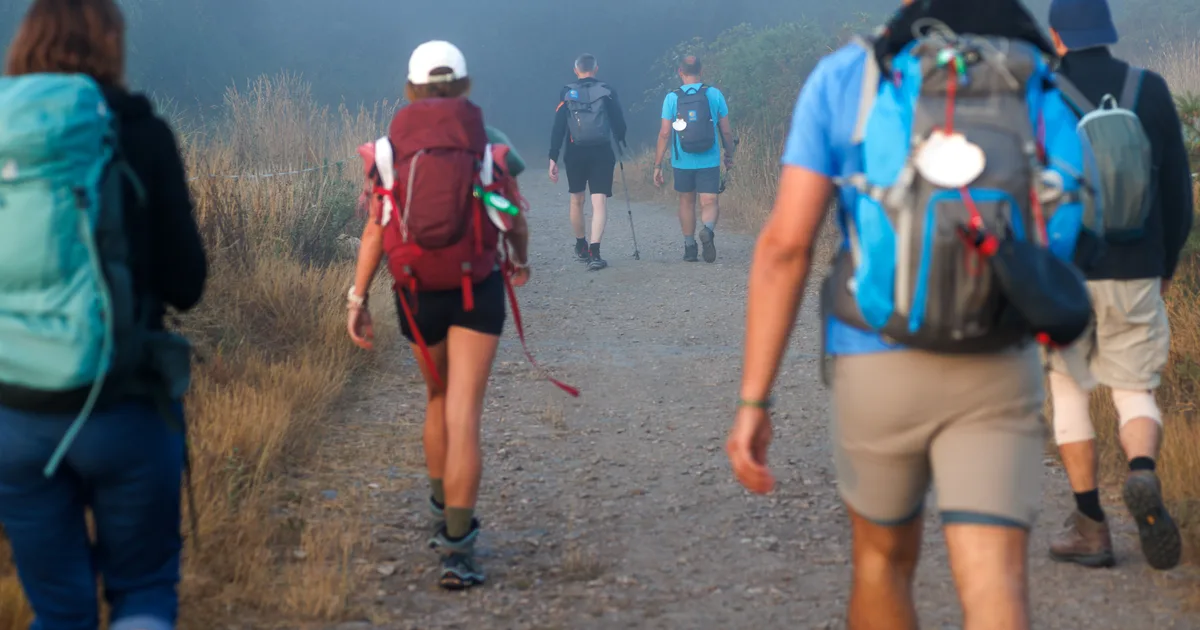
Why the Camino de Santiago recharges you (and what you bring)
A Spanish study of 1,080 pilgrims suggests that the restorative effect of the Camino depends mainly on the attitude you set off with, the values you attach to it and how safe you feel.
 Superación personal
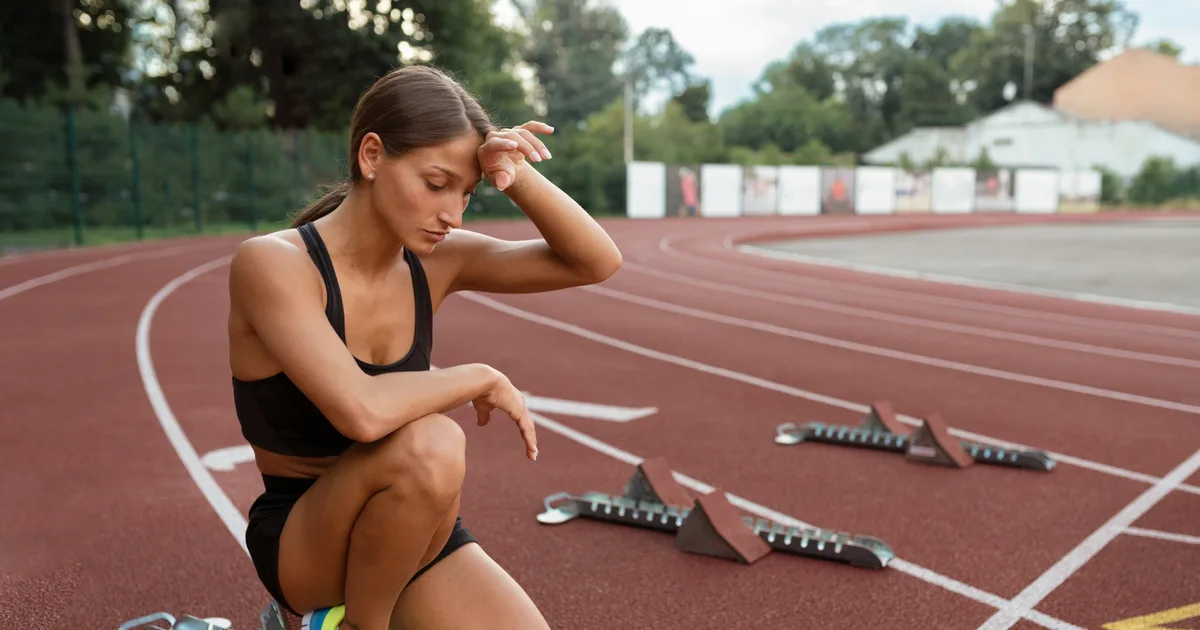
Race nerves are trained weeks ahead, not the night before
A meta-analysis of 24 studies compares what works against competitive anxiety, and when. Spoiler: you train it like intervals, with weeks to spare.
 Superación personal
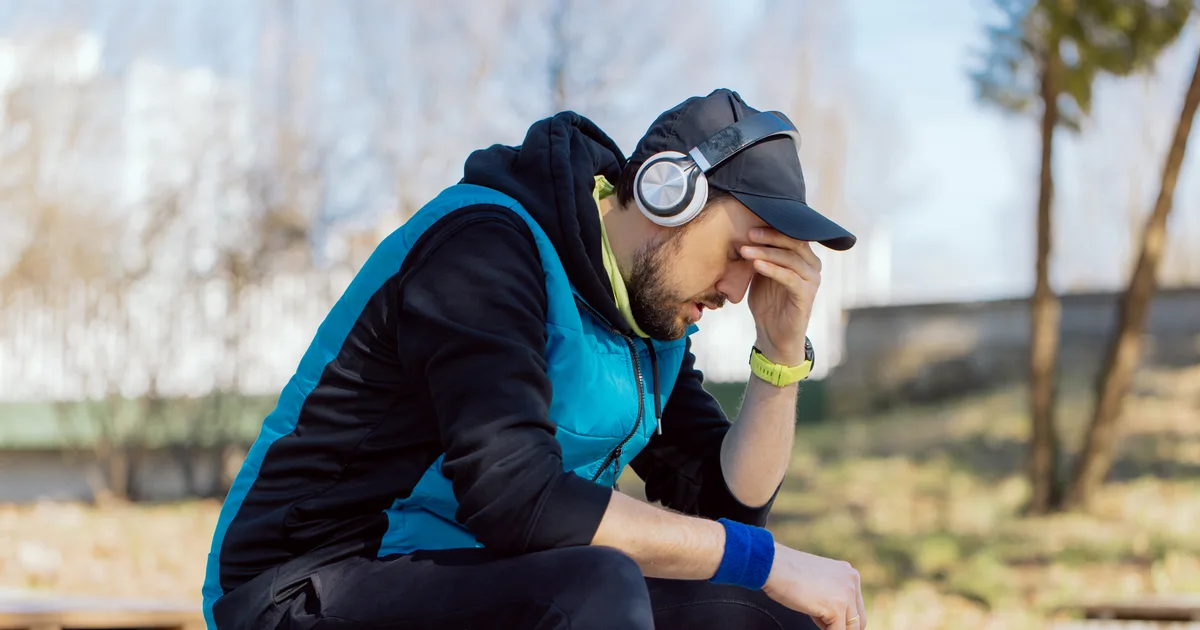
Being hard on yourself will not make you tougher (kindness will)
A study of British athletes links self-compassion with greater mental toughness, even in the eyes of their coaches. Why talking kindly to yourself after a bad session keeps you going, and how to do it without drifting into "maybe tomorrow".