
Muscle is built from food too: ultra-processed on the MRI
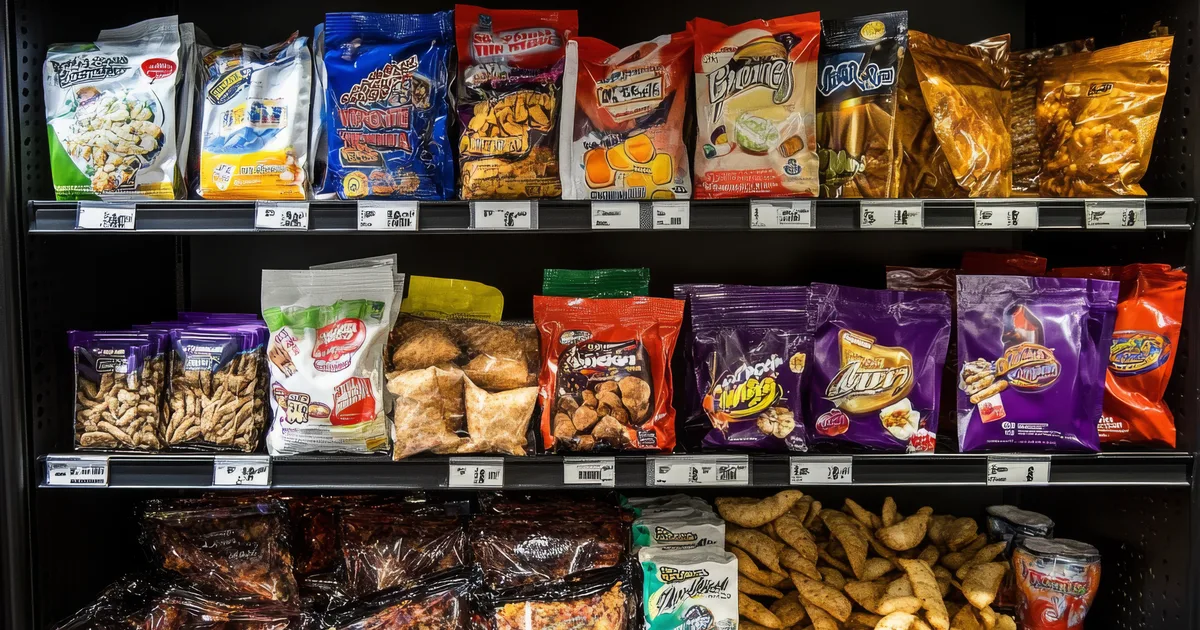
A study published in Radiology looked inside the thighs of 615 people. The more ultra-processed food they ate, the more fat was infiltrated into the muscle, whatever the calorie count said.
We have all internalised the idea that ultra-processed food makes you gain weight. What we rarely picture is what it does inside the muscle, in the place neither the scales nor the mirror can reach. A study published in April 2026 in the journal Radiology did exactly that: put 615 thighs through an MRI scanner and looked at what sat between the fibres.
What they actually measured
The team led by Zehra Akkaya worked with data from the Osteoarthritis Initiative, a US cohort of people at risk of knee osteoarthritis. The sample was 615 participants, 340 of them women, with a mean age of 59.5. Ultra-processed foods made up an average of 41.4% of everything they ate. Almost half the plate, every day, arrived in packaging.
Each person had an MRI of the thigh, and the fat infiltrated within the muscle was graded on the Goutallier scale, which runs from 0 to 4, across the flexors, extensors and adductors of both legs. This is not the fat on the outside, the kind you can pinch. This is fat inside the muscle itself, marbled through it, like a good cut of ham. The comparison is unlovely but it lands first time.
The uncomfortable result
The more ultra-processed food a person ate, the more infiltrated fat showed up in their thigh muscles. So far, predictable. What stands out is what came next: they adjusted the analysis for total calories, body mass index, waist circumference, physical activity, smoking, depression and sociodemographic variables. And the association held, in flexors, extensors and adductors, in men and women alike.
Translated: it was not simply that they ate more, or weighed more, or moved less. At equal calories, equal weight and equal exercise, the proportion of ultra-processed food was still associated with muscle carrying more fat inside. It is the first time anyone has measured that effect on muscle composition using medical imaging, which is why the paper travelled round the world.
Before you panic: what the study does not say
Time to apply the brakes, because headlines run faster than science. This is an observational study: it finds an association, it does not prove that ultra-processed food is the cause of that intramuscular fat. There could be factors nobody measured. And the sample is people around 60 at risk of knee osteoarthritis, not thirty-year-old runners or teenagers; cheerfully extrapolating to the whole population is exactly the leap the authors decline to make.
That said, it fits what we already knew: fat infiltrated in muscle is associated with less strength and poorer function, and it increases with age. That food quality shows up there, and not just quantity, is worth a moment's thought next time you look into your trolley.
What you do with this on an ordinary Tuesday
No banned-foods lists, no emptying the cupboard into the bin. The number that matters from this study is not a particular product, it is the proportion: 41% of the diet. The useful question is not "am I allowed this?" but "what share of what I eat this week arrives ready-assembled in a packet?"
Four changes with no drama
- Start with what you drink: fizzy drinks and packaged juices are the easiest ultra-processed item to replace without missing it.
- Have a plan for the seven o'clock slump. That is where most of the packets sneak in, not at your main meal.
- Cook extra once and eat it twice. Ultra-processed food usually wins on logistics, not on flavour.
- If you train, pay particular attention to the hour afterwards: that is when it is easiest to grab whatever is nearest.
That last point has a quick homemade fix. A shake made from whatever is in the fridge covers the same ground as the carton from the supermarket and tastes considerably better: here are three post-workout shake recipes with the quantities already worked out, so you do not have to decide anything when you get home wrecked.
The idea worth keeping
We have spent years measuring food in calories because calories are the easy thing to count. This study is a reminder of something the scales do not know: your body does not just weigh what it eats, it is built from it. And the muscle you train so hard twice a week is made, quite literally, from whatever you put in front of it the rest of the time.
You do not have to change everything on Monday. It is enough that, a month from now, the share of your diet arriving in packaging is a little lower than it is today. Muscle has the patience the rest of us tend to lack.
Turn those kilometres
into a medal.
Sign up for a Victoris challenge and every training session brings you closer to the medal delivered to your door.
More from the Victoris Diary
 Vida saludable
Clocks going back: you don’t move less, you move at another time
On 25 October the clocks go back. A study using fitness tracker data shows we don’t lose activity: we shift it. Here is what that means for your evening training.
 Vida saludable
Four portions of pulses a week (without getting bored)
Spain’s food safety agency recommends at least four portions of pulses a week. Three autumn recipes with quantities, tips against wind and how to fit them around training.
 Vida saludable
The tiredness sleep does not fix: let us talk about iron
Iron deficiency is far more common in women who train, and it is almost never checked. The difference between low ferritin and anaemia, and when a blood test makes sense.